Showing posts with label future technology. Show all posts

Monday, May 12, 2014

Top 10 Wearable Devices: Including a watch for your finger!

Let the countdown begin!! We have looked at a number of wearable devices over the past few weeks, but there are countless more already on the market or ready to launch that we haven't even seen yet.  Here is a taste of the best wearable devices available.

1. Nike+ FuelBand SE: Nike’s second gel band is a single, universal way to measure all kinds of activities, ranging from your morning workout to a big night out, giving constant feedback to help you move more and better!


2. Google Glass: Definitely one of the most popular wearable gadgets, with this product Google has gone beyond any other wearable device by creating an entire new category of glasses, whereas other products have been focusing on pursuing ways to improve their actual devices’ functionality.


3. Nike TR1+: Considered the most intelligent training shoes in the market! Nike TR1+ features embedded sensors, which track your every step and sync the information to whichever device you choose. These shoes help you constantly improve your workout.

4. Jawbone UP24: This wristband allows you to sleep better, by tracking your movement and sleep in the background. The Up system is completed with an App that displays your data, lets you add relevant data like meals and mood, and finally provides insights that keep you moving forward.


5. Pebble Smart: This smart watch places critical apps and notifications (i.e. track your runs or get notified when your favorite team scores) on your wrist, giving you immediate access to what is most important.


6. GoPro HERO3: Aimed at sports enthusiasts and outdoorsy types, GoPro is considered the “world’s most versatile camera”. It makes life easy to document and allows you to share your life’s most extreme experiences.


7. Skulpt Aim: is a body composition and muscle quality analyzer that tells your body fat percentage as well as muscular fitness.


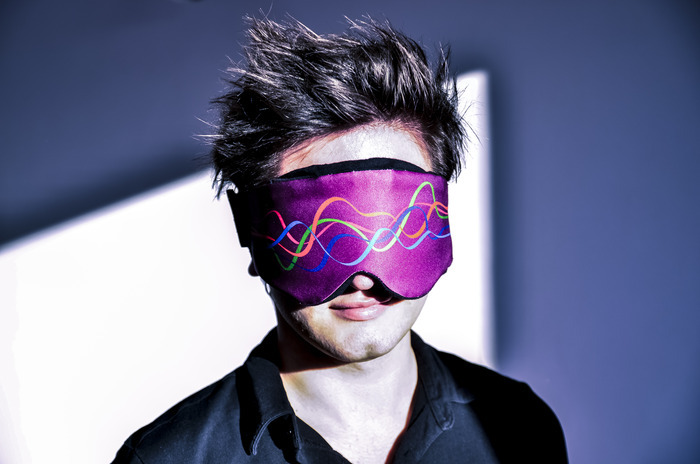
8. NeuroOn: This device is aimed at helping people achieve polyphasic sleep. That means that you can sleep less and more efficiently.

9. Smarty Ring: Crafted from allergy-free surgical grade stainless steel and bearing an LED display on the front, Smarty Ring delivers all of your notifications and gives you a good deal of control over your smartphone as well. It is a lighter version of a modern smart watch.


10. Vigo: is a gadget that can tell when you’re most alert, when you’re a little fatigued, and when you straight up need to take a break. “Vigo makes it easy to be alert when you  need to be.”

Vigo 

This list will undoubtedly change, probably within the next few days, as more and more technology adapts to the human body, but for now let's admire what we have and prepare for what the future will bring.  

Thursday, April 24, 2014

Is Your Dog Healthier Than You Are?


It was only a matter of time before all of the wearable devices that we are seeing on the market, started to be made specifically for our favorite furry creatures at home.  That's right, wearable technology for your pets. Now all of the data that you love to gather from yourself, can be collected from Fido.

There are a number of new products on the market that will allow you to set exercise goals, analyze the amount of sleep, and even track the location of your little guy.  For example, Whistle is an activity tracker that attaches to your dogs collar.  Essentially a Fitbit for canines, Whistle collects data on your dog 24/7 and allows you to analyze everything through an App.  You can even share the insights to your friends or your dog's friends, assuming they have Facebook, Twitter, etc.

A tech that is a bit more ambitious, going as far as to claim that they can provide insights into how your dog is feeling, what he is thinking, and what he needs, simply by attaching the Voyce dog collar.  Providing similar insights as Whistle, it will also give you guidance as to how your dog is feeling based off information from top veterinarians.  While this product is not available right now, check out the video below to see how it will work:


Now is all this getting to be too much? Do we really need all this data in order to provide our pets a happy and healthy lifestyle?  If you are interested in giving your pet exercise, would you really need to analyze all their data to make sure they are healthy or would providing exercise just be part of your existing lifestyle already.  Well I believe that one thing is for certain, that if you are taking the time to analyze yourself to make sure you are living healthier, you have no excuse for not making sure Fido is living just as healthy as you are.

Friday, April 18, 2014

Surgical Precision from 500 Km Away


With different types of glasses/goggles appearing on the market and applications for augmented reality technologies, the surgery world will also evolve to allow easy access to more information, more accurate, permanent and even remote data during procedures. Even the communication between surgical staff or between surgeons will improve in order to enhance the efficiency and improve surgical results.


The following video shows the first use of Google Glass associated with VIPAAR (Virtual Interactive Presence in Augmented Reality). It's absolutely amazing how they operate on people these days!


During this shoulder replacement, the surgeon is helped and guided on the virtual surgical field by another surgeon, who's not in the OR, but in his office and who has strong experience in this procedure and can instructor the surgeon.


The second surgeon can remotely show with his hands and some instruments, transformed in virtual elements when transferred to Google Glass, the type of actions to lead while discussing with the operating surgeon and having the live images in front of him.

Another pair of high-tech goggles have also appeared recently in the news bringing new hope in order to improve surgery and provide better treatment against Cancer as they are able to highlight cancerous cells during a surgery.


These new goggles may help avoid a riskier and costly second surgery and thus reducing complications. As you can see on the following picture the cancerous cells appear clearly to the surgeon thanks to the goggles and the dye that has been injected in the patient before the surgery.


You can read more about this fascinating innovation here in an article from the BBC or check out the video report on this subject here.

These new types of applications of wearable tech/augmented reality may bring better patient care, more safety and collaboration in the operating room. The first trials are just finishing, but in the coming years, maybe months every surgeon and medical staff will be equipped with one of those devices if the advantages described in this post are confirmed.

Saturday, April 12, 2014

50% of Users Won't Wear their Tech

Tech wearables, mainly those for health and fitness, fail to keep the interest of users for more than a few months. A survey of 6,223 US adults revealed that one in ten consumers aged 18 and over owns a modern activity tracker such as Jawbone, Fitbit, Nike+ Fuelband or Misfit Wearables. Yet, more than half of the survey’s respondents said that they no longer use their activity tracker, and a third of those stopped using the device within six months of receiving it.

The wearables that are very successful are the ones that are designed to solve a very specific problem for someone that a smartphone isn’t doing.

If nobody wants to wear it, is it really wearable? You can have the greatest product in the world but if it doesn’t have the right design aesthetic, no one will continue to wear it.

Wearables companies are dealing with challenges, they have to take care of the need for products to fit well, be comfortable, and compatible with consumer's lifestyle.


Behavioral psychology also plays a strong role in long-term adoption of wearables by the consumer.
A surprising percentage of devices in the market first fail to achieve even short term engagement for many users because they suffer from one or more fatal user experience flaws.

These flaws are:
  • They are easy to lose
  • They break
  • They’re not waterproof
  • They’re a pain to sync with your smartphone
  • The battery doesn’t last long enough
  • They’re ugly
  • They’re uncomfortable to wear
  • They provide no material benefit
Currently most wearables are worn on your wrist.  This video digs deeper to find out why companies aren't producing products to be worn elsewhere.


Friday, March 28, 2014

Fantastic El Clasico Match? No!!! It is just the beginning…


Did you watch last Sunday's "El Classico" match? If you are in Spain, you know it is one of the biggest rivalries between Los Blancos and Barca. For those of you who like football, maybe it was one of the best matches you've seen, with a lot of goals, cards, pushing and shoving, and also Messi's magic. Despite all the individual technical skill and coaching strategy, behind all this is technology. 

The sport industry utilizes technology to improve athlete's conditioning, to perform strategy analysis, and in training preparation, which ultimately brings higher quality matches. One of the technologies implemented is wearable devices. In soccer, athletes wear shirts, shin guards and shoes with sensors embedded within that are able to track crucial information.


How the technology works: the sensors in the apparel send a wireless data to a base station. The information in the base station is processed and relayed to a tablet so coaches and trainers can examine the data in real time. Simply by monitoring his tablet, a coach can now fully comprehend the physical impact on the athlete’s body, including: work rate, stamina, speed, distance, performance efficiency, and the power generated against the ball by every player, in every position.

From inducing in-game managerial decisions, such as team tactics, and substitutions, to analyzing trends to prevent over training and risk of injury, the technology will help maintain player performance at optimal levels throughout the season.


We believe despite being in juvenile stages of development compared to other technologies, wearable products will ascend in the coming years. The sport industry is expected to have a large impact on the financial growth of the wearable technology industry. At this point, several products are being evaluated for effectiveness and satisfaction by their users, and have already gathered a solid presence in the sports arena.


The likelihood of wearable products enduring future success is not only reasonable, but expected. Giving athletes and coaches the ability to measure performance in real time and make adjustments during the game will not only lead to increased quality of play, but can prevent devastating injuries from occurring. Athletes have already been influenced by wearable devices in the early stages of its presence and we can't wait to see where the future takes us.

Once the necessary research is done to make products more athlete specific, customizable, and more leagues allow the use of wearable devices in the game, the investment by players, teams, and leagues will strengthen. And we will see more quality and fantastic matches ahead.

Friday, March 14, 2014

Google Glass, not released yet, but about to be banned already.


Nowadays, everybody knows Google Glass and talks about it, and its pre-released explorer version has been sold on ebay at a price as high as $2,100 dollars.


For those of you who can't afford such a crazy price like me, here is a taste of it and let's see how it works in front of your eyes on a YouTube demo:


While people are so excited about it and bet that the future of Google Glass will be at least as successfully as the iPhone, three American cities“think different.”


Illinois, Delaware and Missouri are set to introduce bills to stop drivers from wearing Google Glass headsets while behind the wheel. Other states - including New York, New Jersey and Wyoming - are set to follow suit. The irony in this regard is that one of the most important key features that Google advertises about its Glass is actually the GPS navigation app, which puts maps right in front of driver's eyes.


Will lobbyists of Glass be able to change the government's ideas? Will Glass be the next iPhone or wound up like Microsoft Zune? You can bet, but you don't know. What I do know is that technology innovations have undoubtedly made our life more connected and entertaining, however, every morning when you wake up and find you have 50 unread messages from WhatsApp, Skype, Gmail, or when you lose your participation points in your MBA class by checking updates on Facebook and Twitter, you probably wish that your life could be simpler and less distracted.


Everything has two sides, so does the debate on wearable devices, hence it's up to companies to make the best out of it and to eliminate the negative effects.

Thursday, March 6, 2014

Introduction to Wearable Technology


As technology becomes more advanced, more convenient, and more integrated into our daily lives, we are becoming more dependent on what technology can do for us.  Similar to how the wrist watch changed the way we tell time, wearable technology will change the way we interact with computers and the world around us.

Offering users real-time feedback, instantaneous communication, and access to data anywhere you can imagine, wearable devices are beginning to shape our future.  With devices such as the Fitbit, Google Glass, Glowfaster Fitness Jacket, and Ring, among countless others already on the market or due to launch, wearable technology is conservatively estimated to become a $12 billion industry in the next 5 years (Ballve, 2013). 

With such a cutting edge market on the brink of explosion, in this blog we will aim to cover how wearable technology will fit into your life, the many products on the market, the benefits, and even the drawbacks, along with several other topics regarding this fascinating new industry.

                                 (Source: Trendblog.net)

For a quick glimpse, check out ‘The Future of Wearable Technology’: